

New Cambridge study shows humans are more monogamous than meerkats but trail behind beavers

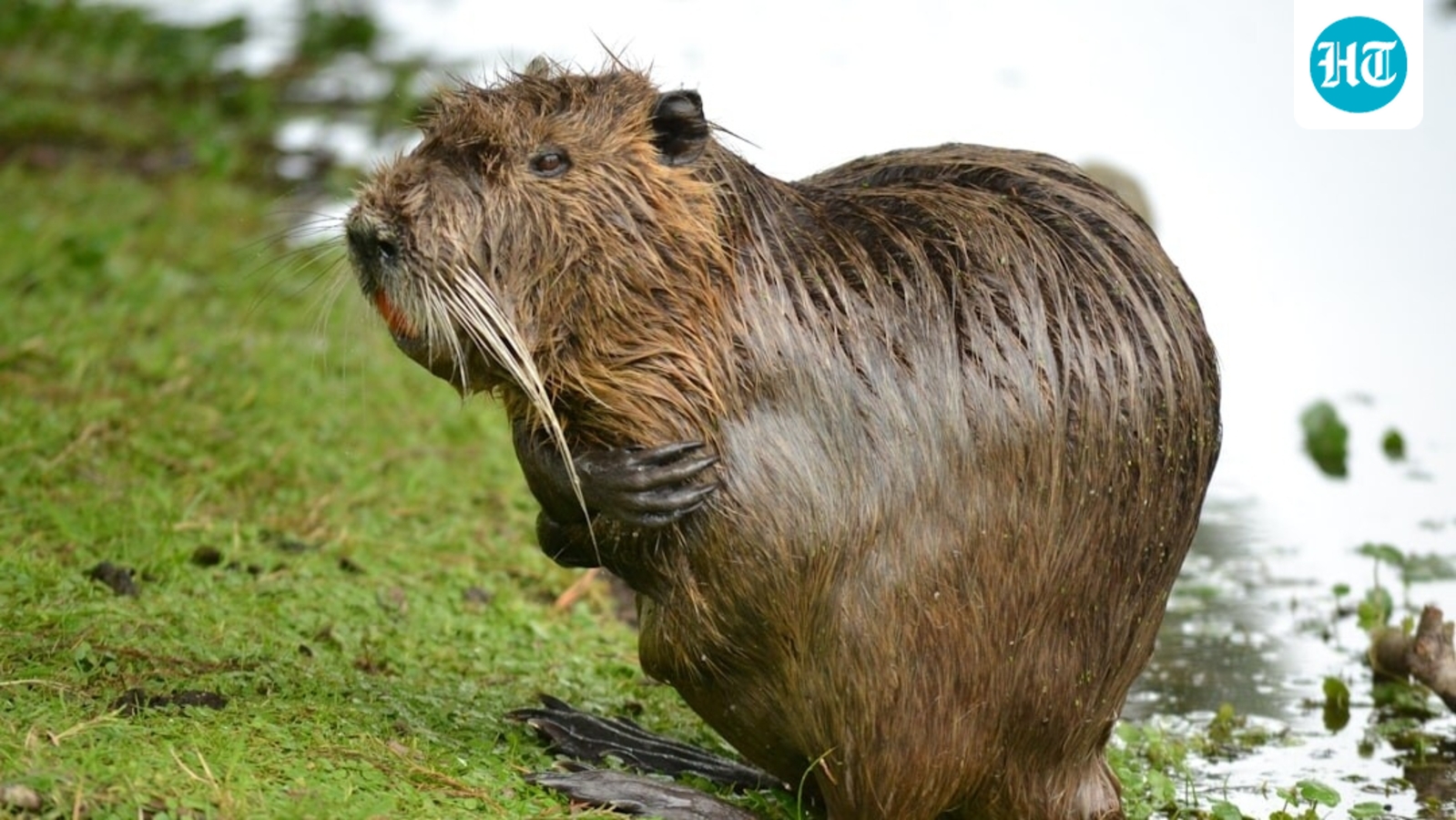
New research from the University of Cambridge suggests humans are highly monogamous, though still not as committed as beavers. As per the study conducted, humans rank between meerkats and beavers when it comes to their inclination for monogamy. The study looked at the prevalence of full siblings against half-siblings to ascertain how much a particular species was prone to monogamous behaviour.
Humans rank lower than beavers in monogamy
“There is a premier league of monogamy, in which humans sit comfortably, while the vast majority of other mammals take a far more promiscuous approach to mating,” Dr Mark Dyble of the Department of Archaeology in Cambridge, who conducted the study, said, as per phys.org.
“The finding that human rates of full siblings overlap with the range seen in socially monogamous mammals lends further weight to the view that monogamy is the dominant mating pattern for our species,” he added.
Dr Dyble devised a computational model that generates monogamy ratings for various species by looking at recent genetic studies done on them. He even looked at archaeological sites to ascertain human mating behaviour in ancient times.
The study was published in Proceedings of the Royal Society: Biological Sciences and had a prevalence of 66 per cent for the prevalence of full siblings. This placed humans seventh out of 11 species regarded as preferring monogamous arrangements.
Meerkats had a full sibling prevalence of 60 per cent, while beavers recorded the same rate at 73 per cent. The species that came closest to humans was the white-handed gibbon at 63.5 per cent.
Animals prone to monogamy
The study of monogamy or exclusiveness of sexual behaviour is as old as human civilisation. Philosophers and anthropologists have tried to understand whether humans are naturally inclined to monogamy or if it’s societal pressure that takes them in that direction.
However, there are animals found in the natural world that are monogamous. As per a BBC Earth article, 90 per cent of bird species pair up for life with their partners. When it comes to mammals, though, the species known to mate for life comprise just 3-5 per cent of the total.
The BBC Earth article mentions seven species where couples remain committed to their partners for life and do not mate with others. These include the grey wolf, Eurasian beavers, gibbons, California mice, shingleback lizards, diplozoon paradoxum and black vultures.
So, monogamy is far from being unknown in the natural world, but it is a rare phenomenon.
