


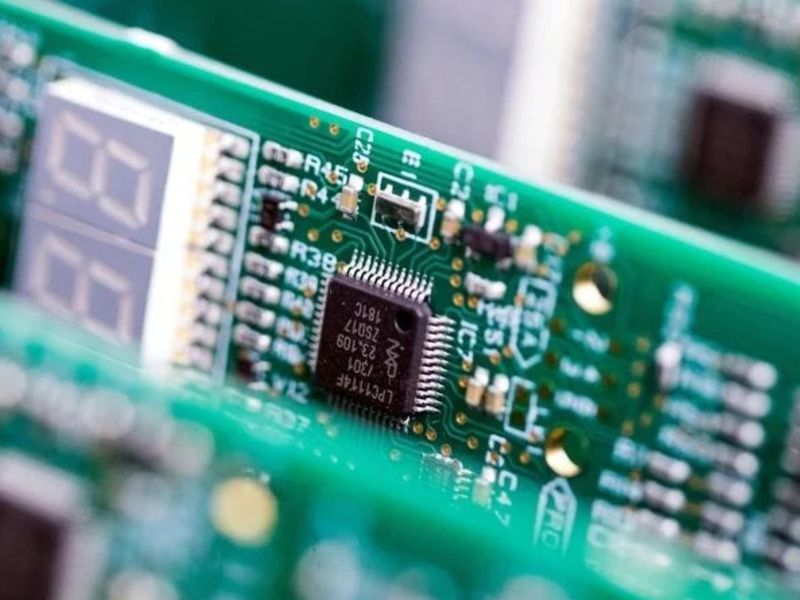
It joins peers like Infineon Technologies in warning that supply chain struggles are likely to persist for far longer than previously anticipated. Chip delivery times have already surpassed 20 weeks, as the COVID-19 delta variant complicates efforts to resume normal operations from Japan to Southeast Asia.
Material and component shortages, compounded by jammed trains, ships and planes, have forced global automakers from Toyota to Volkswagen Group to cut or suspend production in recent weeks. The Japanese car giant said last week it would temporarily halt production at 14 plants.
Founded more than 60 years ago, Rohm has become an integral part of the automotive supply chain as carmakers add more electronics and semiconductors to vehicles. The Japanese manufacturer’s automotive solutions include devices used for power management, air conditioning, lighting and entertainment.
The most severe bottleneck is a lack of materials like those required to make leadframes — the metal structure inside a semiconductor unit that communicate signals with the outside of the package.
“Offers to hike prices won’t do a job at all anymore because our suppliers just don’t have a unit of stock at hand,” Matsumoto said “Even for the ones we reserved, the pace of arrival at our site isn’t living up to our expectations.”
The shortages may benefit the bottom line.
“Rohm’s operating profit margin may widen as its planned capacity expansion could bode well for sales and profit growth as well as overseas market share gains amid looming global chip shortages,” Bloomberg Intelligence Masahiro Wakasugi and Ian Ma wrote in a research note this month.
Still, some analysts warn a sudden drop in demand may eventually follow, as beefed-up production lines start contributing to capacity and customers finish securing enough inventories.
“The current crunch is stemming from suppliers’ lack of output and makers trying to buy more components than what they need due to concerns,” said Morningstar’s head of equity research Kazunori Ito. “Both should go away in 2023 or so.”
The current supply shortage means Rohm has had to put on hold a previously outlined multi-year plan to outsource a part of its chip production process to foundries overseas. The arrangement — especially for chips that require cutting-edge technology– was intended to serve as part of its business continuity plans given the increasing frequency of natural disasters in Japan.
“Our plan to increase the quantity of chips we ask others to make on our behalf hasn’t changed, but these foundries have no such capacity right now, and next year looks very tight as well,” Matsumoto said. “Maybe we can resume it from a year after next, albeit gradually.”
Rohm this year received two sets of government subsidies to strengthen its production in Japan and Malaysia. But to support semiconductor makers and their subsidiaries further, Matsumoto said his home country’s government can offer more benefits including tax incentives and lowering the cost of renewable energies, given rising customer demand for a carbon-neutral production process.
“How much renewable energy we should use in Japan is a big challenge, as we consume a lot of electricity and the cost of such energy here is very expensive,” he said. “That could become a problem for us when it comes to beefing up our domestic production capacity, and relocating these production lines outside of Japan could become an inevitable option for us to think about.”
